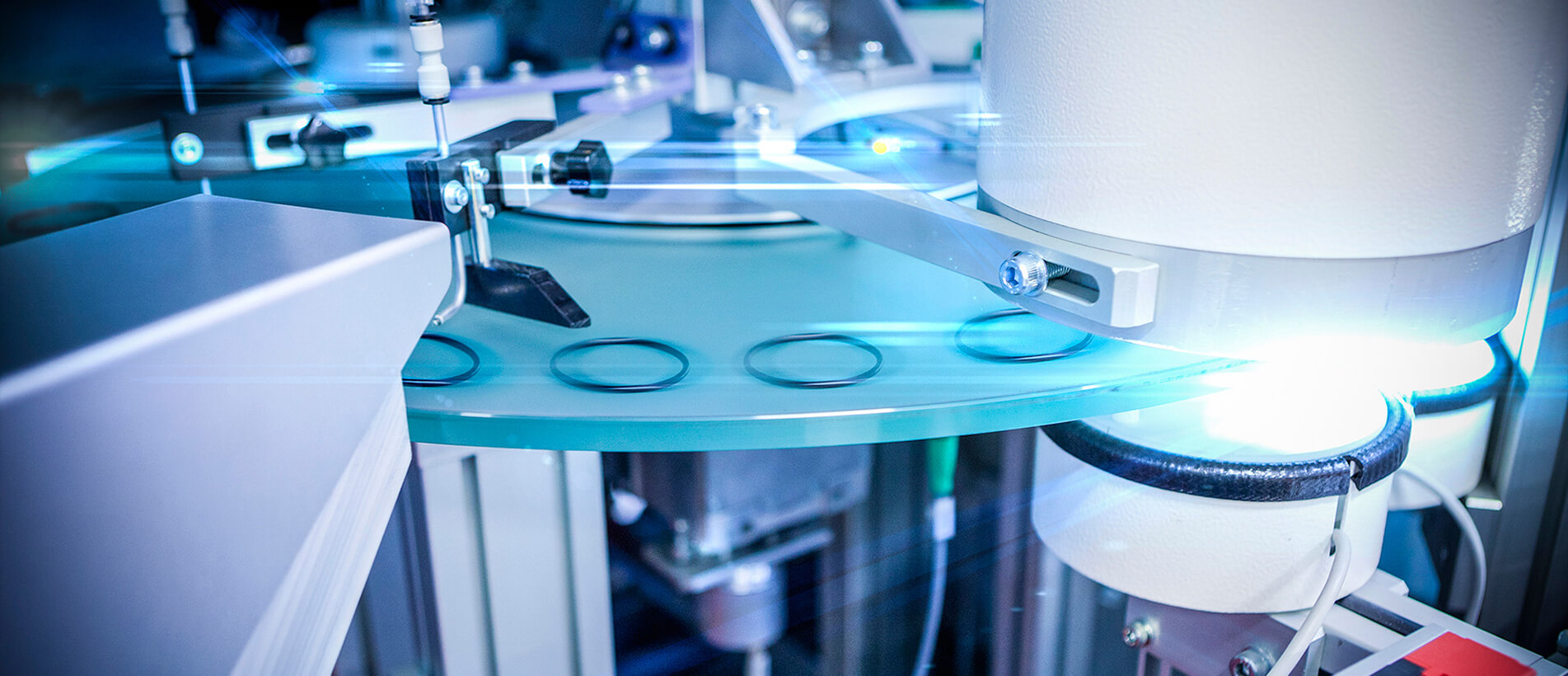
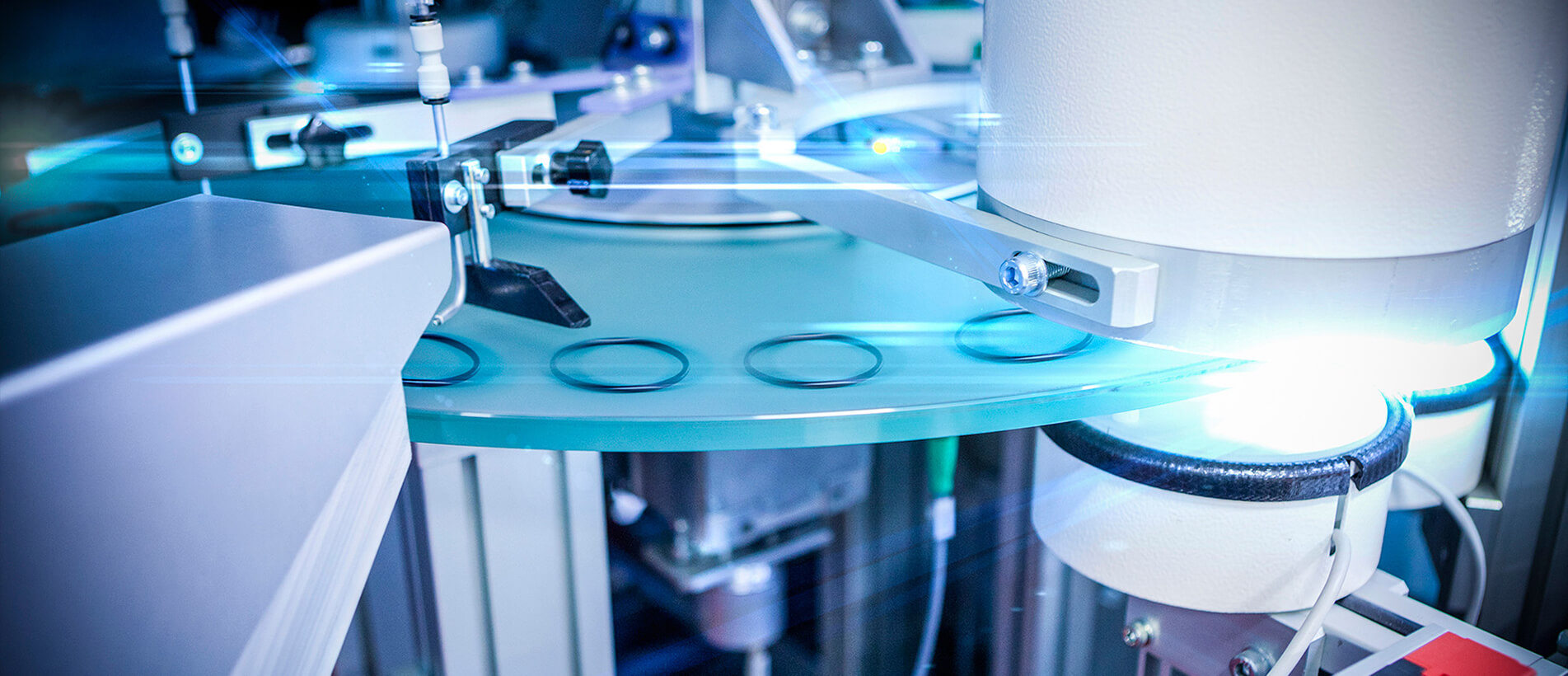
Máquina depaneladora de PCB con láser en línea
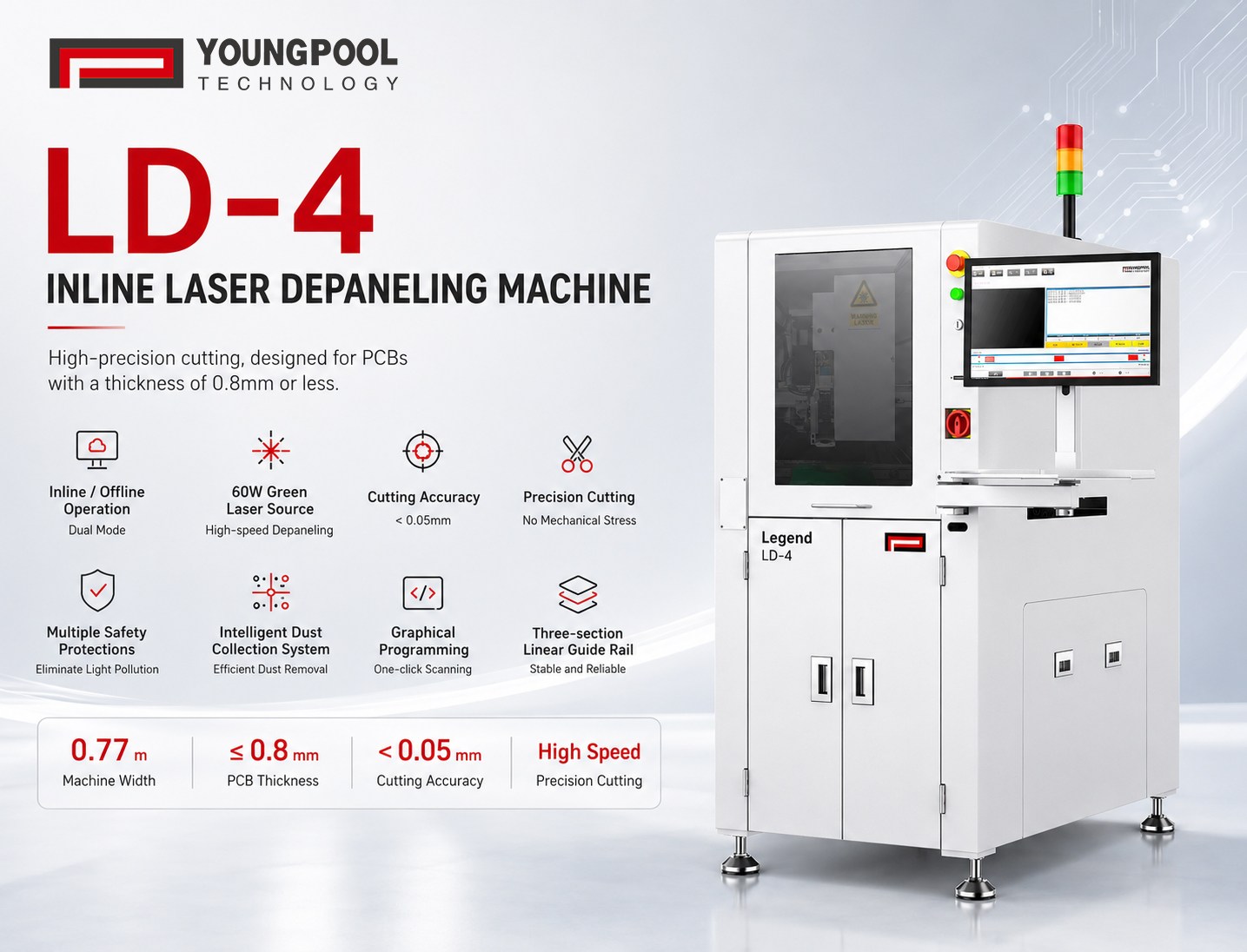
Con el desarrollo de la industria de fabricación de productos electrónicos, los diseños de PCB tienden a ser más delgados y ligeros. El volumen de envíos de PCB con
El espesor inferior a 0,8 mm ha ido aumentando año tras año, lo que impone mayores exigencias.
sobre los procesos de despanelado. Los métodos tradicionales de despanelado ya no pueden satisfacer completamente
los requisitos de precisión y fiabilidad.
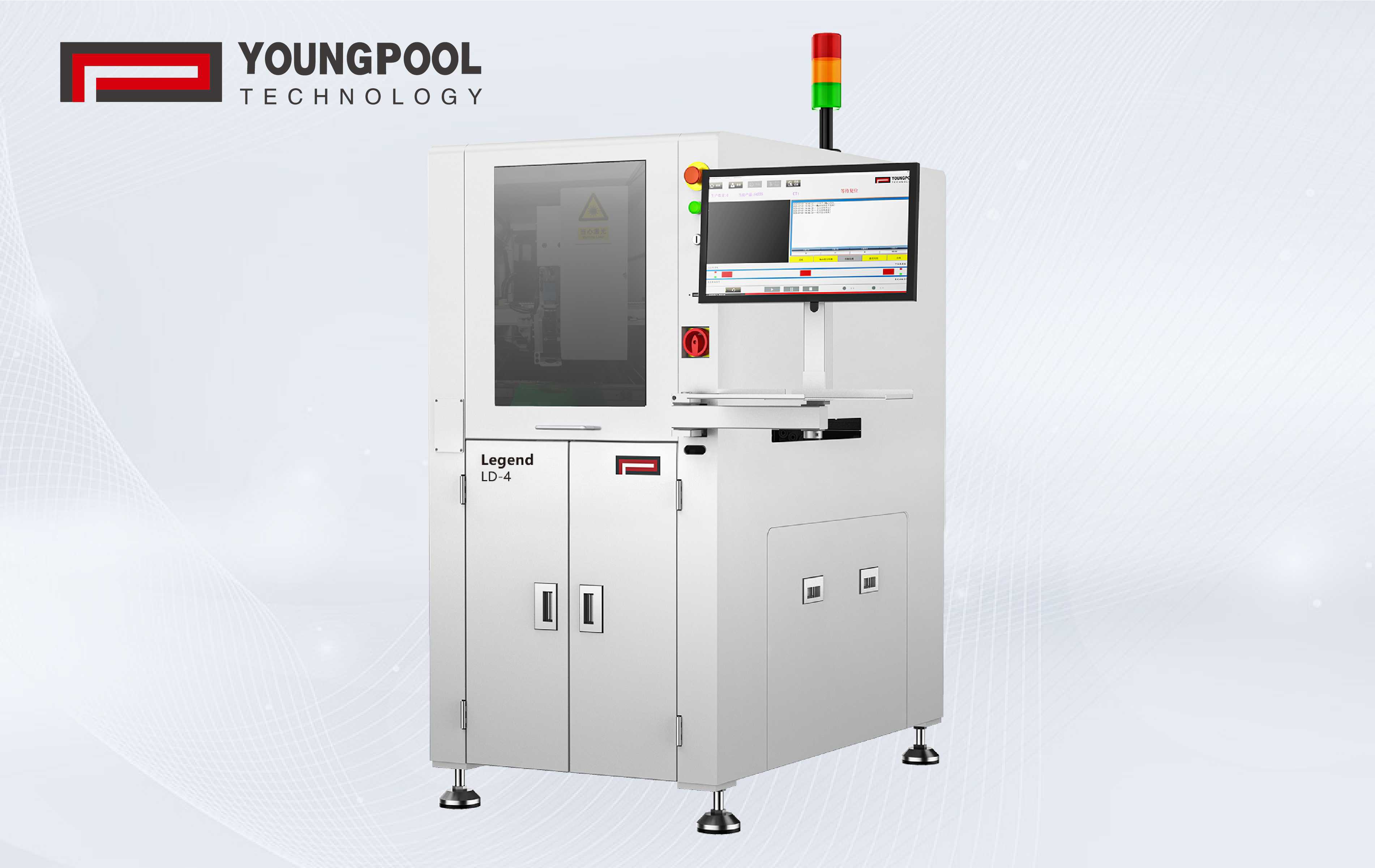
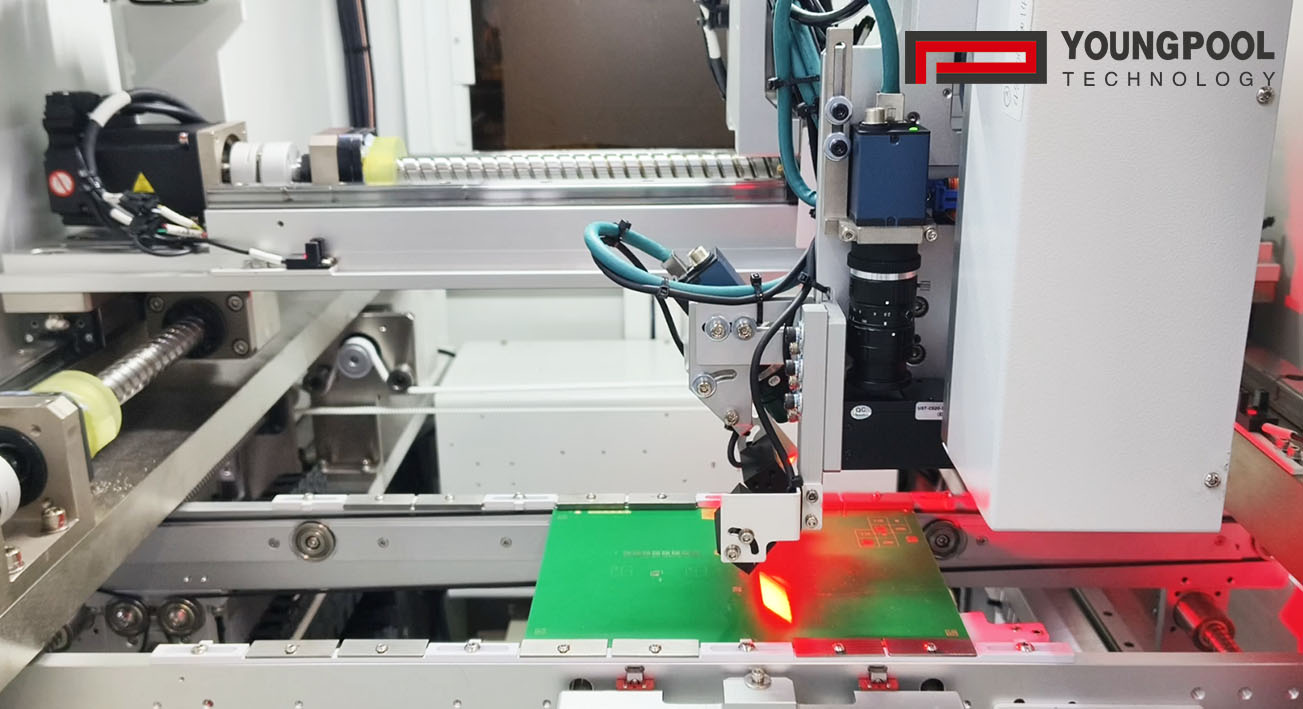
Para lograr un despanelado flexible de alta velocidad y baja tensión, Youngpool Technology
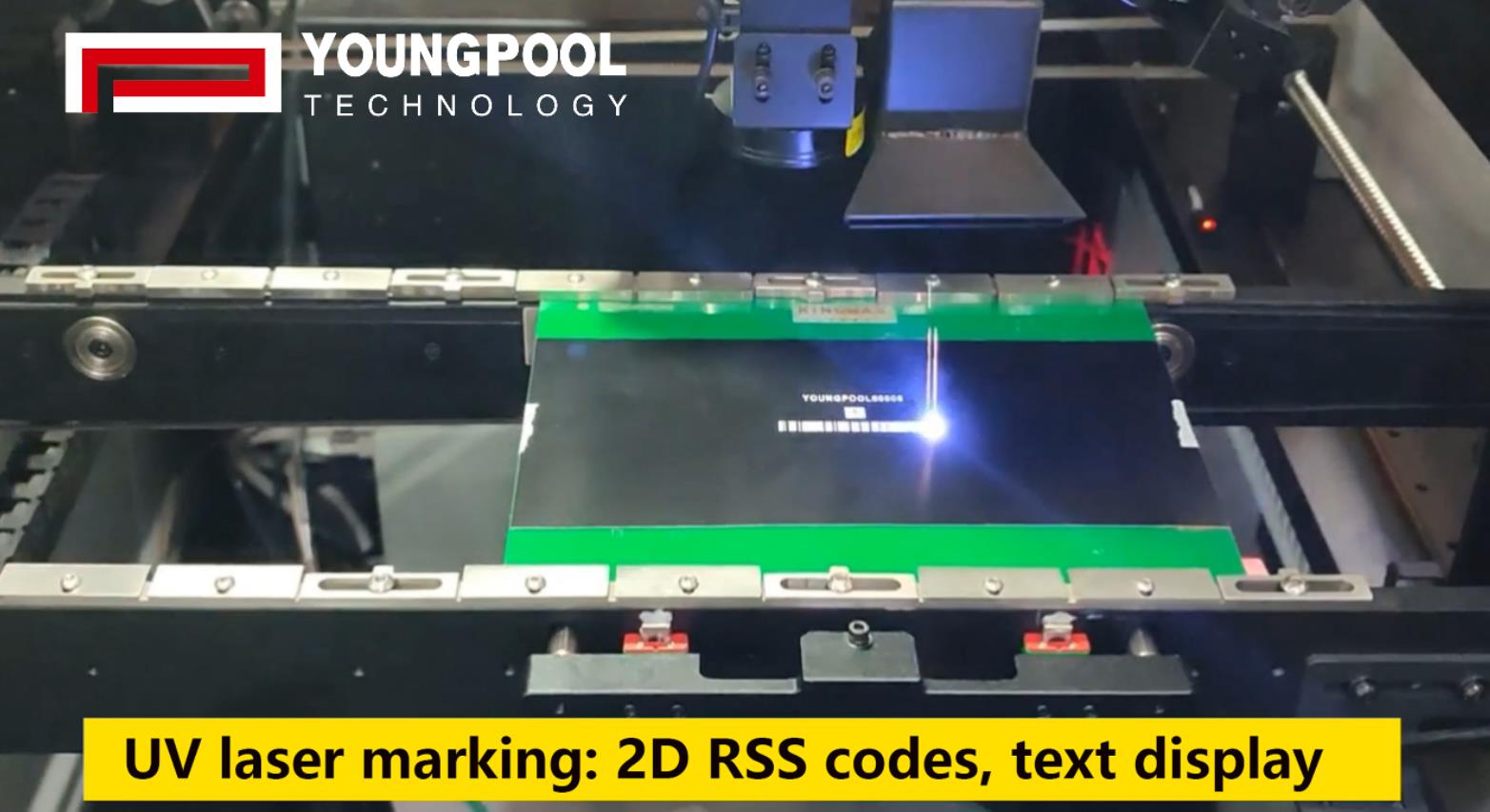
Presentamos con orgullo la máquina de despanelado láser LD-4.
La máquina viene con un láser verde estándar de 60 W, lo que permite alta velocidad y
corte preciso y admite modos de operación tanto en línea como fuera de línea, proporcionando
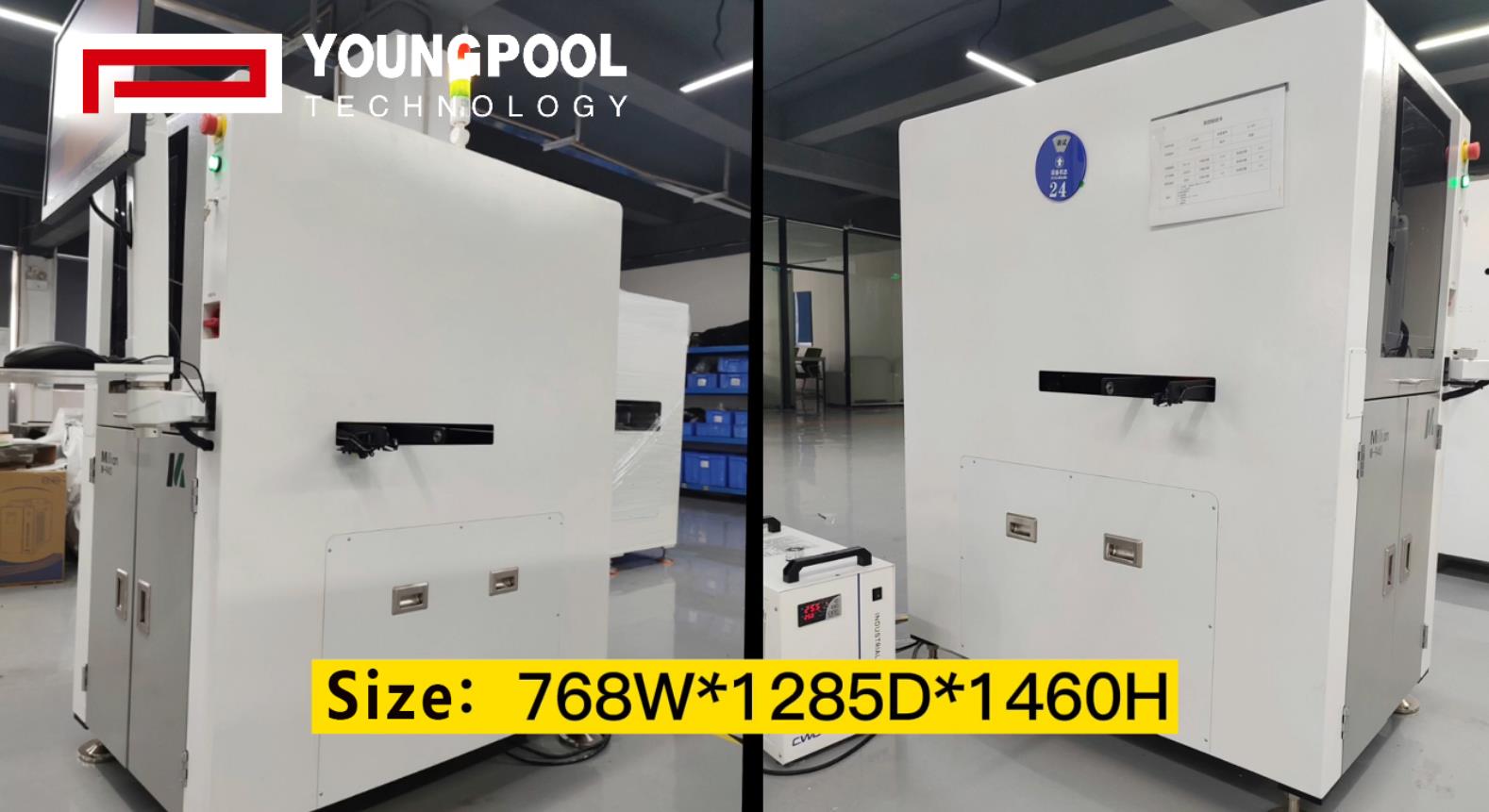
flexibilidad para diversos escenarios de producción. Además, el diseño compacto, con un
Con un ancho inferior a 0,8 metros, se ahorra eficazmente un valioso espacio en la línea de producción.
Lee mas
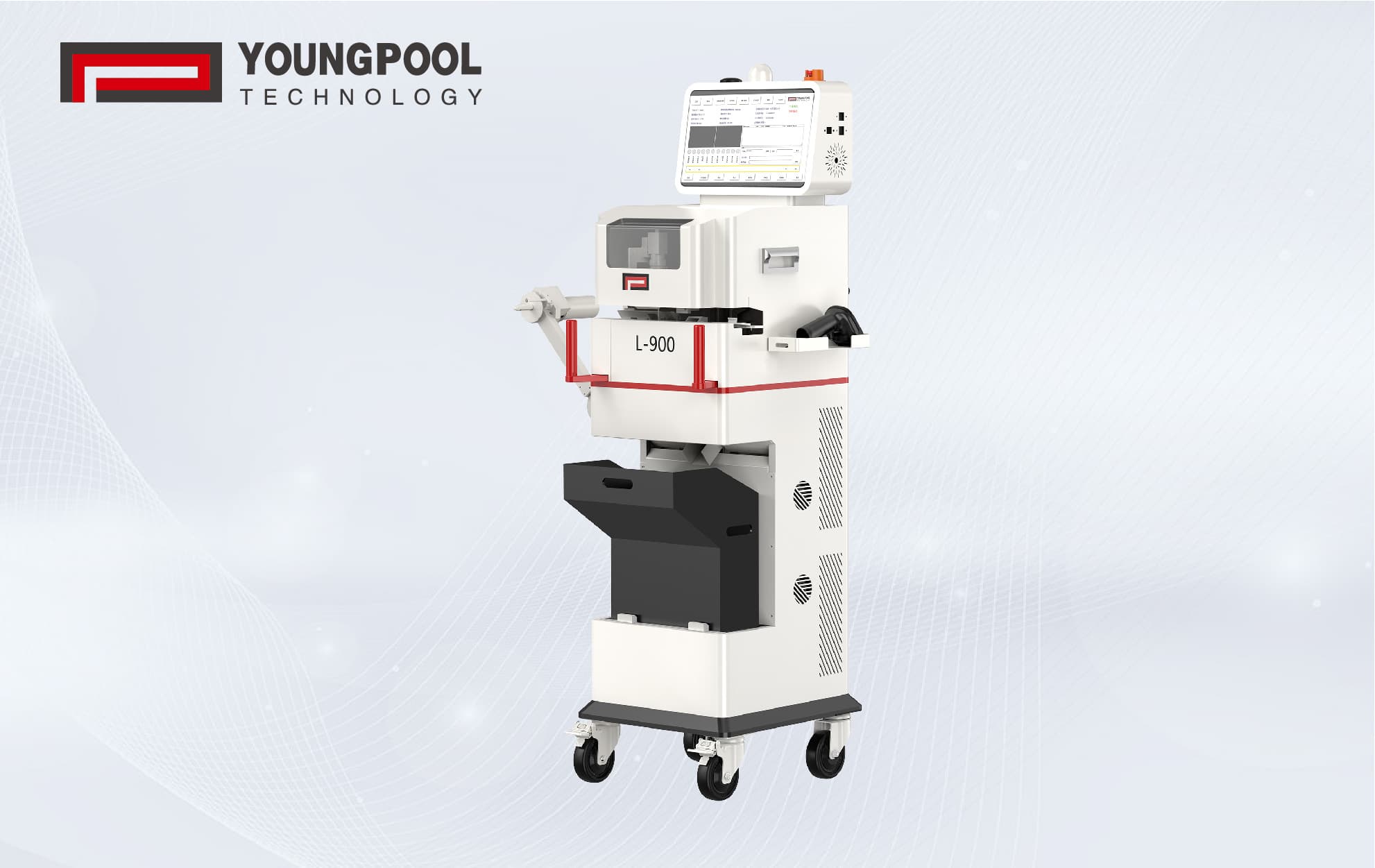
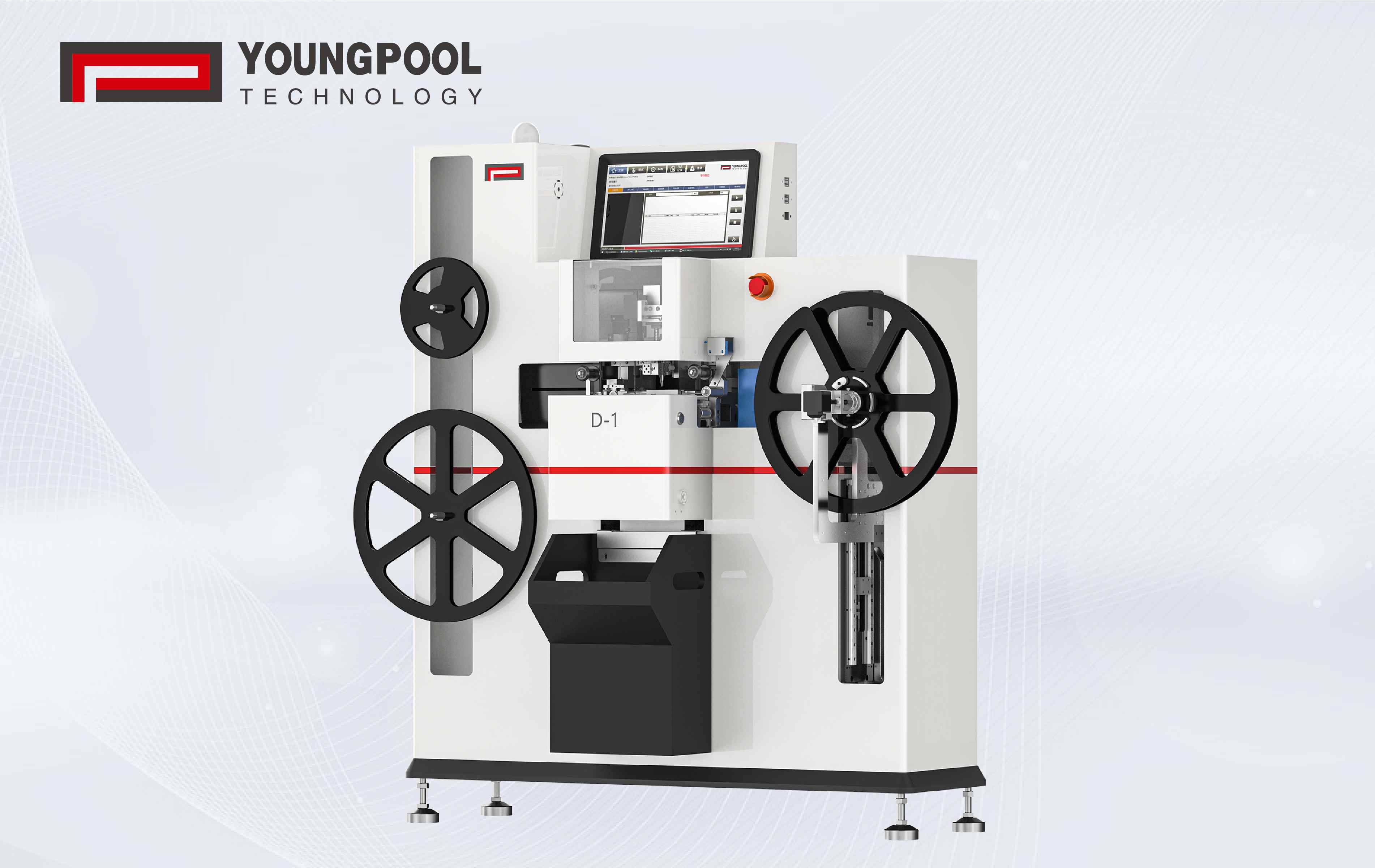


 Noticias de la Industria
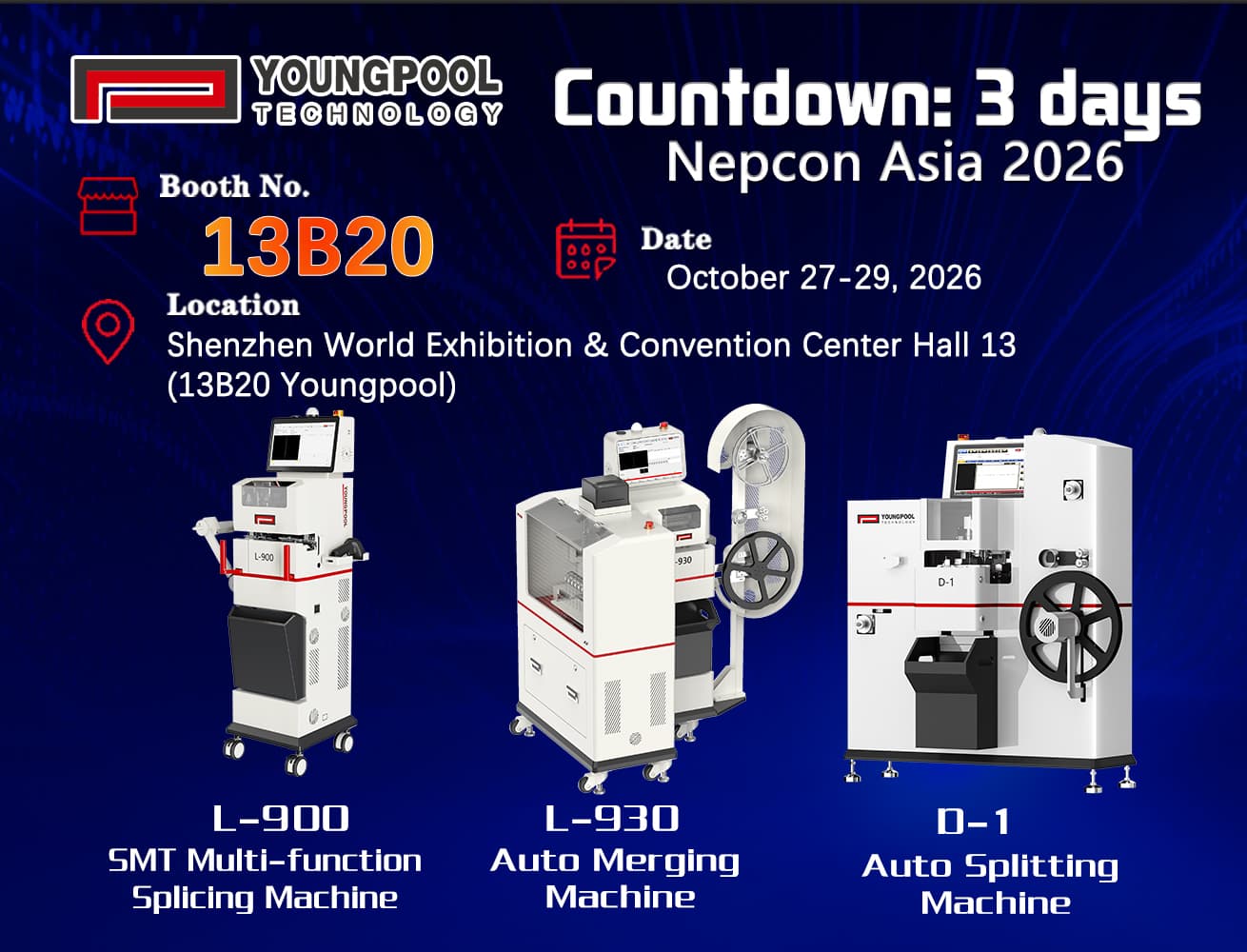
![[Avance de Exposición] Youngpool Technology le invita a NEPCON ASIA Shenzhen, 27–29 de octubre | Stand 13B20](/uploadfile/news/83f908ab6467b0b3fb222b568b52bc27.jpg) Noticias de la Industria
Noticias de la Industria
 Noticias de la Industria
 Noticias de la Industria
 Noticias de la Industria
 Noticias de la Industria
 Noticias de la Industria
 Noticias de la Industria
 Noticias de la Industria
 Noticias de la Industria


 Compatible con red IPv6